
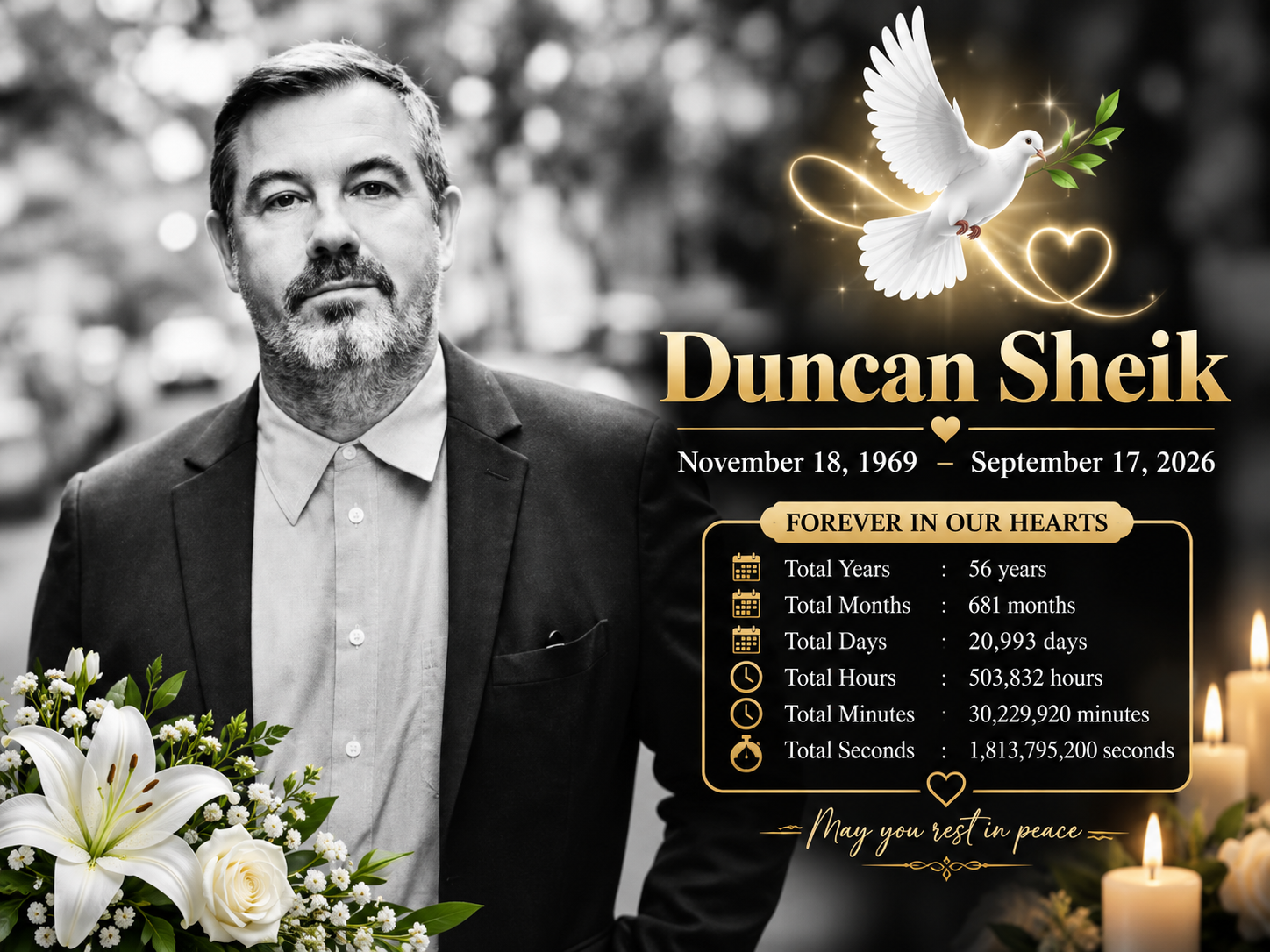
The next stage of Duncan Sheik’s career depended on a partnership rather than a solo performance. Steven Sater had been developing Spring Awakening from Frank Wedekind’s 1891 play, and Sheik supplied the music. The story centered on adolescents in 19th-century Germany struggling against ignorance, repression and adult authority. Its themes included sexuality, pregnancy, abuse, suicide and the consequences of denying young people honest information. It was not obvious material for a mainstream musical stage. ([Inquirer.com][5])
Sheik’s music changed the way the story could be heard. Instead of giving the characters a traditional Broadway sound, he used rock-oriented textures and contemporary rhythms. The historical setting remained, but the musical language belonged to a different era. That contrast created tension: the costumes and social rules suggested the past, while the music made the characters feel emotionally close to a modern audience.
The choice was not simply aesthetic. The characters in Spring Awakening were young people whose voices had been controlled by adults. A conventional musical style might have made the material feel safely historical. Sheik’s score brought another possibility. The characters could sound as if they were speaking directly to people sitting in the theater.
That approach became particularly important during the rehearsal process. Sheik worked with a young cast that included performers who would later become major names, among them Lea Michele, Jonathan Groff and John Gallagher Jr. Rather than encouraging them to sing with the polished force traditionally associated with Broadway, he urged them toward the sound of contemporary alternative musicians. The goal was not vocal perfection for its own sake. It was character. ([Inquirer.com][5])
The result was a musical in which songs did not feel like interruptions to the story. They were part of the characters’ internal lives. Anger could become rhythm. Confusion could become harmony. Desire could emerge through a melody before the character fully understood what was happening.
That was a major change from the world of “Barely Breathing.” There, Sheik’s own voice had carried the emotional burden. In Spring Awakening, he had to create music that could disappear into other people. The composer had to give the songs away.
When Spring Awakening reached Broadway in 2006, the reaction was immediate. The production’s contemporary score stood against the expectations of conventional musical theater, while the subject matter refused to soften its central conflicts. The show became one of the defining Broadway productions of its period.
For Sheik, the transformation was particularly striking. A decade earlier, he had been a singer associated with a major radio hit. Now his work was being discussed in the language of theater: score, orchestrations, dramatic structure and ensemble performance.
The recognition followed quickly. At the 2007 Tony Awards, Spring Awakening won eight awards, including Best Musical. Sheik received Tony Awards for Best Original Score and Best Orchestrations, sharing the score credit with Sater for the musical’s writing partnership. The achievement established him not merely as a musician who had entered theater, but as a major theatrical composer. ([Broadcast Music, Inc.][6])
The following year brought another major recognition. The original Broadway cast recording of Spring Awakening won the Grammy Award for Best Musical Show Album. The project that had once looked like an unusual collision between alternative music and traditional Broadway had become an award-winning theatrical phenomenon. ([Broadcast Music, Inc.][6])
Yet success did not erase the tension that had followed Sheik since his first hit. If anything, it changed its form. He had once been asked to fit the image of a pop singer. Now he was associated with a landmark musical, and audiences could easily expect him to repeat the formula that had worked.
He did not.
Sheik continued moving between forms. He released solo recordings while composing for theater. He worked on projects such as Whisper House, Alice by Heart and American Psycho, as well as other theatrical productions and arrangements. His career became difficult to summarize because no single category contained it.
Whisper House allowed him to work with a different theatrical atmosphere, one built around mystery and ghosts. Alice by Heart placed Lewis Carroll’s world into the setting of wartime London. American Psycho, adapted from Bret Easton Ellis’s controversial novel, required a very different musical response again. The projects did not all receive the same reception, but they demonstrated that Sheik was willing to take on material that could be musically and dramatically difficult.
American Psycho eventually reached Broadway in 2016 after its earlier London production. Its short Broadway run was a reminder that artistic ambition and commercial success were not the same thing. Spring Awakening had become a major success, but there was no guarantee that every subsequent project would reproduce that result.
That distinction matters in understanding Sheik’s career. His legacy cannot be reduced to awards. He repeatedly entered projects whose outcomes were uncertain. Some received recognition; some struggled; some continued developing over years. He kept writing.
His solo work continued as well. In 2011 he released Covers 80s, a collection built around songs associated with British artists of the 1980s. The choice again reflected an artist looking backward and sideways rather than simply chasing contemporary trends. His interest was not limited to his own catalog.
Around this period, another part of his life became public. Sheik sought treatment for alcohol use disorder in 2011, and some scheduled performances connected to his album were canceled. He addressed the decision publicly, explaining that he had entered treatment when the album was being released. The episode became part of his biography, but it did not define the remainder of his career.
He continued creating after treatment. That continuation is important because his professional life did not stop at the moment when personal difficulty became public. He returned to songwriting and theater, maintaining a career that increasingly operated outside the expectations of mainstream pop.
His Buddhist practice also remained part of how he discussed art and life. Sheik practiced Nichiren Buddhism and was associated with Soka Gakkai International. In interviews, his way of talking about success often resisted the idea that an artist could completely control what happened after a work entered the world. That perspective was consistent with the direction of his career: make the work, release it, and accept that audiences will give it meanings of their own. ([Wikipedia][2])
The idea became especially relevant to Spring Awakening. Once the musical left the rehearsal room, it no longer belonged entirely to Sheik or Sater. Actors interpreted the songs. Directors reshaped scenes. Audiences brought their own experiences to the material. The work continued changing through revivals and productions.
For Sheik, that was one of the fundamental differences between being a pop performer and being a composer for theater. A pop singer can be closely associated with the recording itself. A theater composer must accept that every production will be partly new.
Spring Awakening eventually returned in a Broadway revival in 2015, showing that the work had not disappeared with its original production. Its continued life also reinforced the unusual path Sheik had taken. The musician once known primarily for “Barely Breathing” had created a piece of theater that could outlive the original cast and production.
But there was another question waiting behind that achievement. If Spring Awakening had changed the course of his career, what would come next? Sheik had already demonstrated that he could move from pop to theater. The next challenge was whether he could keep creating without becoming trapped by the success of either.
The answer would come through a long series of collaborations, experiments and unfinished possibilities. Some would reach audiences. Others would remain in development. And as Sheik entered his later years, the most revealing part of his career would not be a return to the sound that first made him famous, but his continued refusal to remain in one artistic room.
Click Here to continue read next: PART3: After Broadway changed the meaning of his name, Duncan Sheik kept moving through unfamiliar territory, creating music for stories that demanded different voices
Days before new work was supposed to reach New York audiences, Duncan Sheik’s story suddenly ended, leaving behind a career that had begun far from Broadway
Part 2 of 16

