
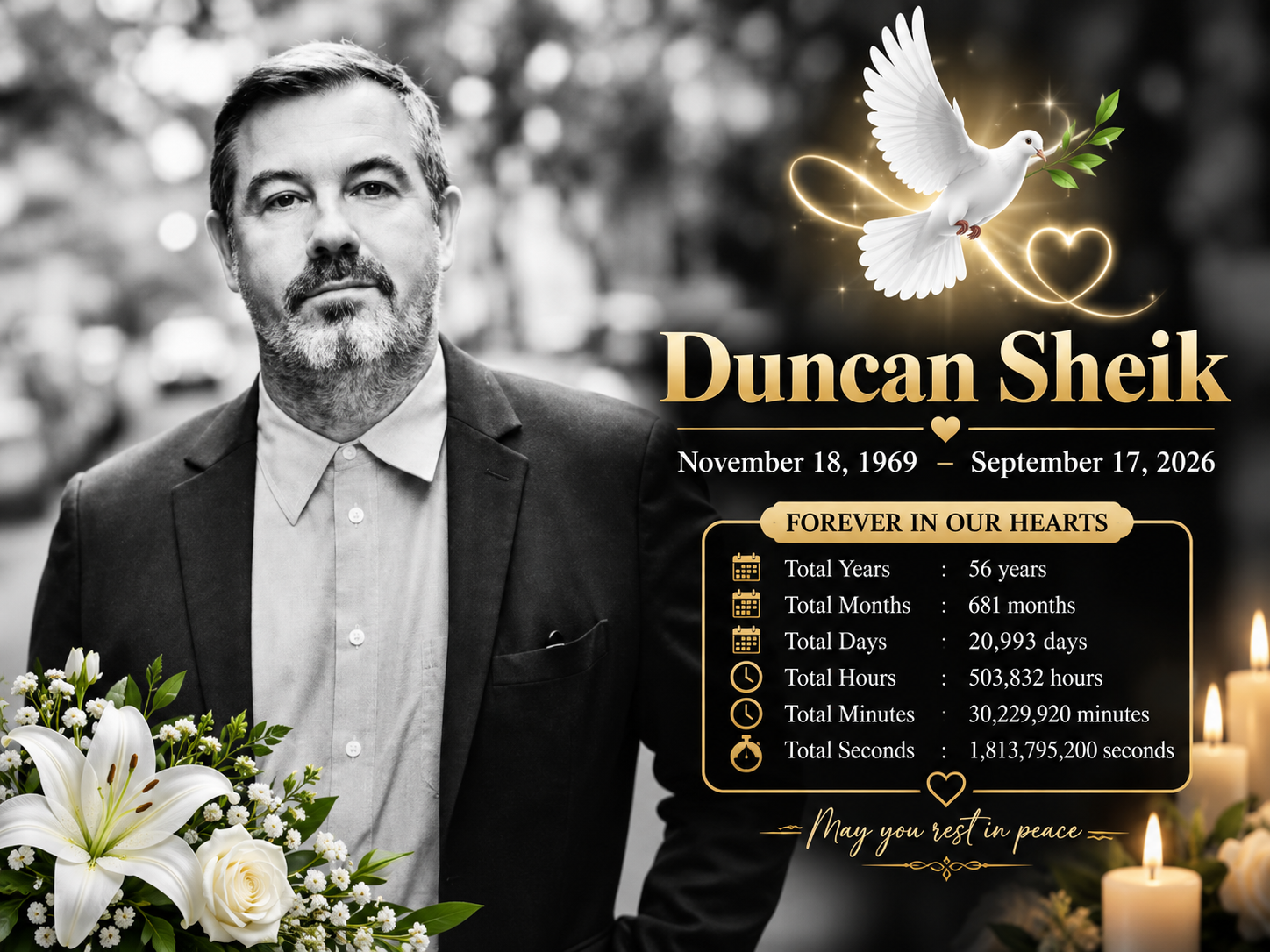
The 2026 Spring Awakening production had been developing before Duncan Sheik’s death, which is important because it prevents the revival from being mistaken for a response created afterward. Studio Seaview had already announced the production, with performances scheduled to begin November 27. Danya Taymor was directing, and Celia Rowlson-Hall was handling choreography. The production was designed as an intimate staging rather than a recreation of the original Broadway production. ([Studio Seaview][2])
The cast itself represented a different generation from the performers who had first made the musical famous. Vanity Fair reported that the new company was largely under 26 and that an open casting process attracted about 2,500 hopefuls. Tyler Jordan Wesley was announced as Melchior, Ashlyn Maddox as Wendla, Ryo Kamibayashi as Moritz and Amalia Yoo as Ilse, with other young performers completing the company. ([Vanity Fair][4])
For these actors, Sheik was already a figure from theatrical history before he became someone they had personally lost. The distinction is significant. They were preparing to perform a musical that had been written before some of them were born. Then, while preparations continued, the composer died.
That could not help but change the emotional atmosphere around the work. Yet the production still had to remain a production. The actors had to rehearse. The choreography had to be learned. Musical cues had to be set. Scenes had to be shaped. The audience would eventually judge the performance through what happened onstage, not through the circumstances of the rehearsal room alone.
Spring Awakening’s structure makes such generational transfer possible. Its central characters are adolescents, and the actors playing them are expected to bring a sense of immediate discovery to the material. That quality cannot simply be inherited from an earlier production. Every generation has to find its own relationship with the story.
The score helps create that immediacy. Sheik did not write the music as a nostalgic reconstruction of 19th-century Germany. He gave the characters a contemporary rock language. The result allowed the production to move between historical circumstances and modern musical energy without explaining the connection in dialogue.
That decision had consequences when the original production arrived on Broadway. The musical looked and sounded unlike the conventional image many audiences associated with Broadway at the time. The young performers were not simply singing polished show tunes. They were performing music that drew from rock and alternative traditions.
The approach helped make Spring Awakening distinctive, but its continuing life depended on more than novelty. A production built only around being different would have a short lifespan. The musical remained available because the underlying dramatic conflicts could be revisited.
The 2015 Deaf West revival demonstrated one way of doing that. American Sign Language became an integral part of the production, creating a different physical and communicative structure while preserving the story and score. The revival showed that Spring Awakening could change substantially without ceasing to be Spring Awakening. ([Broadway.com][1])
The 2026 staging adds another transformation. Studio Seaview describes it as intimate and raw, with an environmental approach involving naturalistic elements. The production is scheduled for twelve weeks, beginning November 27 and continuing through February 14, 2027. ([Studio Seaview][2])
The performers therefore inherit a score rather than a fixed performance. That difference is essential. If they merely reproduced every gesture of the original cast, the revival would become imitation. Their responsibility is to discover how the material works for them.
That process is especially interesting because the musical concerns people who are trying to understand themselves while adults around them control access to information. The story examines sexuality, education, family authority and the consequences of silence. Those subjects are not tied exclusively to 1891, even though the plot is.
The contemporary rock language makes that point without requiring the production to move the story into the present. The characters remain in their historical world. The music creates an emotional bridge between them and the audience.
Sheik’s contribution was therefore both specific and adaptable. He created the musical vocabulary, but he did not determine every future performance. That is one reason the score could support productions separated by twenty years.
His death places a sharper boundary around that adaptability. There will now be no new Spring Awakening score written by him. There will be no later interview in which he explains how he hears the music after another twenty years have passed. His surviving work is the material from which future interpretations must begin.
That does not mean his artistic intentions are unknowable. Interviews, recordings and published scores provide evidence. Collaborators can describe how the work was created. The historical record can show what choices were made. But there is a difference between documentation and speculation.
That difference matters when discussing his final months. There has been a temptation to read his illness into the themes of his work, particularly because Spring Awakening deals with mortality, repression and young people confronting forces beyond their control. But there is no evidence that the 2026 revival was designed as a response to his death or that his illness shaped the score. The production was already underway.
The same caution applies to Memoirs of Amorous Gentlemen. Its themes should be understood through the material and the collaborators rather than treated as a coded farewell. Sheik was creating a musical, not secretly writing an obituary for himself.
The documented chronology is powerful enough without such inventions. In 1996, he was a singer whose debut album produced a major hit. In 2006, he became a Broadway composer. In 2007, he won Tony Awards. In the following years, he continued writing for theater and recording. In 2026, he was still attached to new theatrical work when his health deteriorated.
The career therefore forms a pattern of movement. Each time the public could have settled on an identity for him, another project complicated it. The pop singer became a theater composer. The Broadway composer became an experimental recording artist. The established composer continued working with new writers and new forms.
Spring Awakening remained the central bridge between those identities. It was the work that demonstrated how his pop and alternative influences could be transformed into theatrical music. It also gave him the opportunity to work closely with performers rather than simply performing his own songs.
That relationship with performers was one of the most important changes in his career. A singer controls his own phrasing. A composer gives material to another person and then watches what happens. The result can be surprising even to the person who wrote the music.
Sheik’s later work repeatedly depended on that process. American Psycho required actors to inhabit a disturbing dramatic world. Alice by Heart required another group to translate familiar literary material into stage language. The Secret Life of Bees brought a novel into musical theater. Memoirs of Amorous Gentlemen again placed his music inside a story created by another writer.
The common element was not genre. It was collaboration.
That collaboration is now the mechanism through which his work survives. The people who perform his songs become temporary custodians of material they did not create. They do not replace him. They make the next performance possible.
The distinction is important because a memorial biography can easily become too focused on the dead person. Theater forces the opposite perspective. Once the curtain rises, attention belongs to the characters. The composer remains present through sound, but the audience is supposed to experience the story.
That was one of the great changes Sheik made in his own career. He moved from being the visible performer to becoming the invisible architect of musical emotion. The transition began before Spring Awakening and continued after it.
His death therefore returns the story to that same position. He is no longer visible, but his work remains audible. The new performers become the people through whom audiences will encounter it.
And the next question is no longer whether Spring Awakening can survive without Duncan Sheik. It already has. The more precise question is how future performers will continue changing what the score means while preserving the music he actually wrote.
Click Here to continue read next: PART15: The final musical was waiting behind a curtain while the world learned of Duncan Sheik’s death, leaving collaborators to carry a new work into its first public life
Days before new work was supposed to reach New York audiences, Duncan Sheik’s story suddenly ended, leaving behind a career that had begun far from Broadway
Part 14 of 16

