
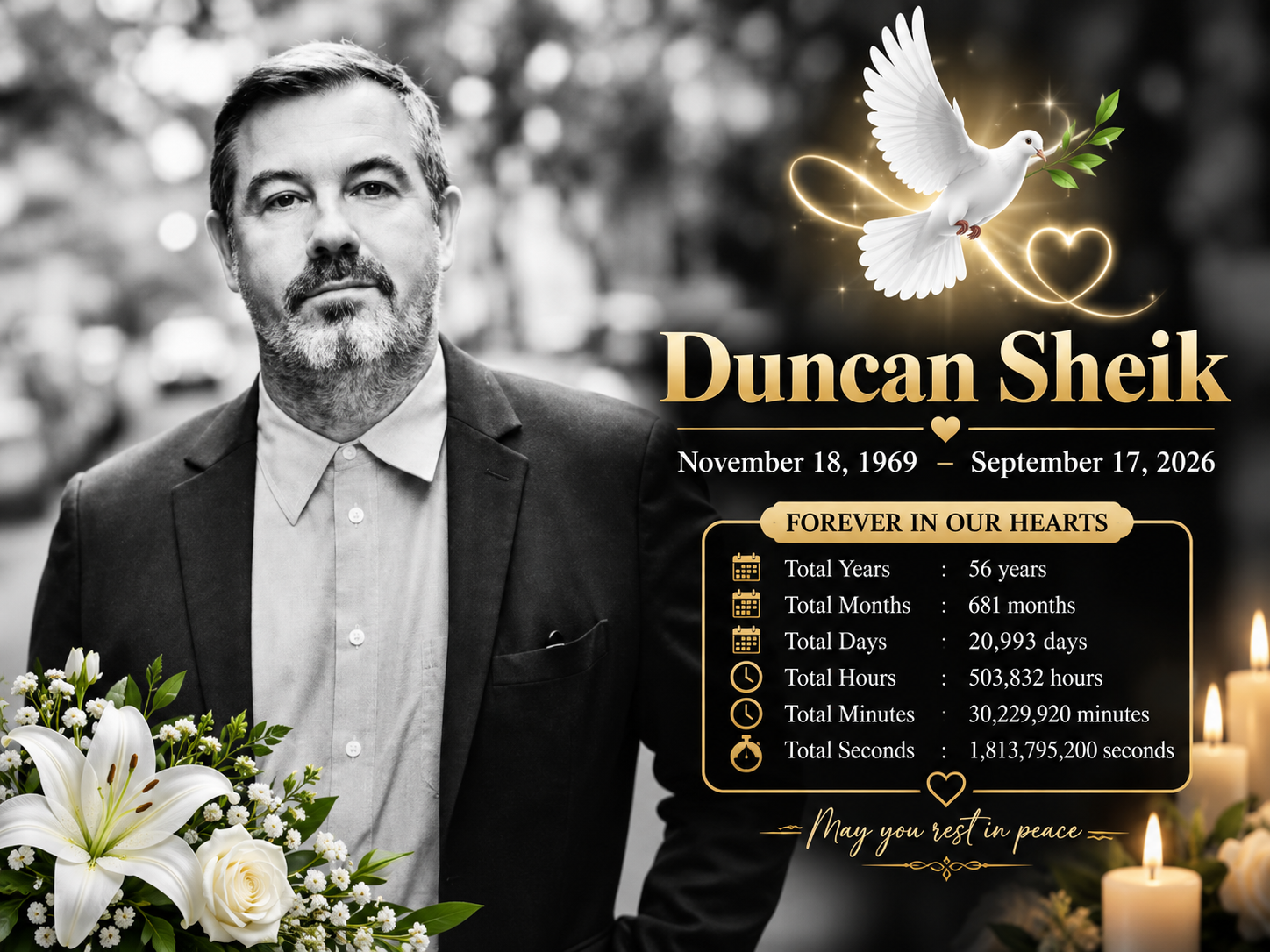
Memoirs of Amorous Gentlemen occupied a different place in Duncan Sheik’s story from Spring Awakening. Spring Awakening had twenty years of production history behind it. Memoirs had none. Its first performances were still ahead when Sheik died, meaning audiences had not yet developed a shared memory of the work.
That made the September 25 performance date especially significant. The musical was scheduled to begin performances at The Night Egg at the Culture Club in Manhattan just eight days after Sheik’s death. The production had already assembled its principal cast and creative team, so the practical question was not whether the work existed. It was whether the company would proceed and how Sheik’s death would affect the production’s first public encounter with audiences. ([Broadway.com][1])
The official production materials identify Leah Nanako Winkler as the book writer, Rob Ashford as director and choreographer, and Or Matias as musical supervisor. Sheik is credited with music and lyrics. The cast includes Sophia Anne Caruso as Colette, Cory Jeacoma as Léon, Nkeki Obi-Melekwe as Nana, Andy Bakun as Sakae and Jenny Powers as Madame. The production also includes an ensemble. ([Broadway.com][1])
That division of labor is more than a list of names. It explains why a musical can continue after the death of one creator. Sheik supplied the music and lyrics, but Winkler supplied the book. Ashford created the staging and choreography. Matias worked with the musical material in rehearsal. Actors transformed written characters into performances.
The audience would therefore encounter a collective work, even though Sheik’s death naturally changed the way his contribution would be perceived. Every musical phrase attributed to him would now carry the knowledge that he had written it while alive and would never hear the final public performance.
That circumstance is unusual but not unprecedented. Works routinely reach audiences after an artist dies. What made this case different was the narrow interval between death and premiere. The production had no long period in which the work could be separated from the news. Sheik’s absence became part of the historical circumstances surrounding the opening almost immediately.
The subject of the musical was also distinctive. The official description centers on Colette and the world of a Parisian maison close, framing her movement from being watched to becoming someone who observes and writes. The production uses an immersive environment, placing the audience close to the action. ([Studio Seaview][2])
That environment changes the relationship between performer and audience. A conventional theater can create a visible boundary between stage and seats. An immersive setting reduces that distance. The audience becomes physically closer to the performers, which means the smallest gestures can become visible.
Sheik’s music would therefore be experienced not only as sound but as part of a close theatrical environment. His melodies would accompany actors moving through a carefully constructed space. The production’s atmosphere would come from the combination of score, text, movement, design and proximity.
It would be tempting to describe that as Sheik’s final statement, but that would go beyond the evidence. The musical was created before his death, and there is no public record showing that he regarded it as a farewell. It is more accurate to call it his latest major theatrical project scheduled for production at the time he died.
That distinction preserves something important about the artist. He was still looking outward. He was still working with new material. He was not simply revisiting Spring Awakening. His final theatrical project came from another source, another writer and another dramatic environment.
This pattern had existed throughout his career. After the success of “Barely Breathing,” he continued recording music that did not simply imitate the hit. After Spring Awakening, he pursued projects that did not simply imitate that musical. His creative decisions repeatedly placed him somewhere unfamiliar.
That tendency can be seen in American Psycho. The musical was based on Bret Easton Ellis’s novel and required a sound capable of handling satire, violence, consumer culture and psychological disturbance. Sheik’s score did not attempt to make the subject comfortable. The project represented another move into difficult material.
The Secret Life of Bees offered a completely different environment. The musical adaptation brought Sheik together with lyricist Susan Birkenhead and book writer Lynn Nottage. It premiered at Atlantic Theater Company in 2019. Again, he was working within a team where his music had to respond to another writer’s dramatic architecture. ([Broadway.com][1])
Alice by Heart continued his collaboration with Steven Sater, but even that partnership changed shape because the story was different. The two artists were not simply trying to repeat Spring Awakening. They were applying their experience to another dramatic source.
The broader pattern is therefore more revealing than any single production. Sheik’s later career was built around translation. He translated ideas into songs, stories into musical structures, literary sources into theatrical environments and his own musical interests into forms that other performers could inhabit.
His final project followed that same path. The source was Japanese manga. The book was written by an American playwright. The direction and choreography came from another theater artist. The musical supervision belonged to another musician. The cast brought their own voices. Sheik’s contribution was one essential layer within that larger translation.
His death could not erase that layer. Nor could it make the other layers belong to him. The production remained collaborative.
The public response to his death emphasized that dual identity. News organizations described him as both the singer of “Barely Breathing” and the composer of Spring Awakening. Those two descriptions appeared together because neither one alone adequately explained his career. ([San Francisco Chronicle][5])
The family statement similarly described him as a father, husband, son, brother and friend as well as an artist. His wife, Nora Ariffin, and their daughter, Ines, survived him, along with his parents and half-siblings. The statement’s language placed the professional loss alongside the private loss rather than allowing the career to consume the entire story. ([Just Jared][6])
His medical condition had remained largely private. On September 16, his family announced that he was receiving medical care and was in critical but stable condition. The announcement requested privacy. The next day, his death was confirmed. ([EW.com][7])
The cause of death has been reported with slightly different terminology. The Washington Post reported cardiac arrest based on his mother’s account. Broadway.com, citing The New York Times, reported organ failure. People reported heart failure leading to cardiac arrest. Those reports all concern the same final medical event but differ in their description of the underlying sequence. ([The Washington Post][3])
There is no responsible reason to turn those differences into a speculative diagnosis. The established facts are enough: Sheik was hospitalized, his condition became critical, and he died in Manhattan on September 17 at age 56. The more specific medical explanation should remain tied to the reports provided by his family.
His death also created a final contrast with his professional habits. Throughout his career, he had repeatedly moved from one creative environment to another. He had been the visible performer, then the composer behind performers. He had written albums, theatrical scores and music for other forms. He was still doing that when his health crisis interrupted him.
The calendar makes that interruption visible. Memoirs of Amorous Gentlemen was approaching its first performances. Spring Awakening was approaching another New York staging. His music was therefore positioned simultaneously at the beginning and the continuation of theatrical life.
That is an unusual place for an artist to leave the world. Most biographies end after the final work has already been released. Sheik’s biography reaches its final date while the audience is still waiting for new work to appear.
That waiting cannot be resolved by guessing what he would have wanted. The production team may make decisions that he would have changed. The actors may discover interpretations he never imagined. Audiences may hear meanings he never intended. Those are normal parts of artistic life.
The only fixed element is the material he left behind.
His songs, scores and recordings can be performed because they exist independently now. His collaborators can describe how they worked with him. His family can remember him privately. Audiences can return to his recordings. Theater companies can decide whether and how to revive his stage work.
Those choices belong to people living after him.
And when Memoirs of Amorous Gentlemen finally reaches its audience, the first notes will create something Sheik can no longer participate in: a performance whose meaning will be formed entirely by the people still in the room.
Click Here to continue read next: PART16: The story ends where Duncan Sheik’s music begins its independent life, with no final speech from him and no fixed answer about what the future will make of his work
Days before new work was supposed to reach New York audiences, Duncan Sheik’s story suddenly ended, leaving behind a career that had begun far from Broadway
Part 15 of 16

