By the time Noah was a teenager, he no longer accepted simple explanations.
He wanted dates.
Names.
Documents.
He wanted to understand how five years could disappear from someone's life because adults decided not to tell the truth.
I understood.
At his age, I would have asked the same questions.
One Saturday, he came into my office carrying a folder.
“Can we talk?”
I closed my laptop.
“Of course.”
He sat across from me.
“I found the hospital records.”
My stomach tightened.
“Where?”
“In the box.”
I nodded.
“They say I was transferred to private care.”
“Yes.”
“Why?”
I took a breath.
“Because your grandmother arranged it.”
“Why?”
“She believed she was protecting you.”
“You keep saying that.”
“Because that's what she said.”
“But you don't believe her.”
“No.”
He looked at me.
“What do you believe?”
“I believe she was afraid.”
“Of what?”
“Losing control.”
He was quiet.
“Was Dad afraid too?”
“Yes.”
“Did he know what she was doing?”
“Yes.”
“Then why do you still let him see us?”
The question was fair.
“Because your father did something wrong.”
Noah waited.
“But he is still your father.”
“That doesn't erase what he did.”
“No.”
“Then why?”
“Because I believe people should be responsible for their actions, but I don't believe children should lose relationships automatically because adults failed.”
He thought about that.
“Does he deserve forgiveness?”
“I don't decide that for you.”
“What about you?”
“I decided what I needed.”
“What was that?”
“Peace.”
He looked at the floor.
“Do you forgive him?”
“Some things.”
“Everything?”
“No.”
That answer seemed to matter.
He nodded.
I continued.
“Forgiveness isn't pretending something didn't happen.”
“What is it?”
“Sometimes it's deciding you don't want the past controlling your future.”
He leaned back.
“I think I understand.”
He opened the folder.
There were photographs.
One showed him as a newborn.
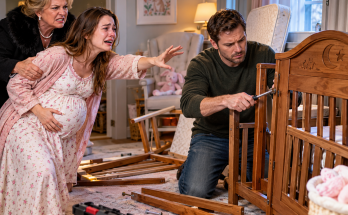
Another showed the basement crib.
He stared at it.
“Why would anyone put a baby here?”
I didn't answer immediately.
“Because adults can become convinced that what they're doing is necessary.”
“That doesn't make it right.”
“No.”
He closed the folder.
“I'm glad you got me out.”
“So am I.”
He smiled faintly.
“I'm also glad Matthew was there.”
I smiled.
“He was always waiting for you.”
Noah laughed.
“He was a baby.”
“He still knew you.”
“Maybe.”
The conversation ended there.
But it changed something between us.
He was no longer asking because he needed reassurance.
He was asking because he was forming his own understanding.
That was healthy.
I could not control what conclusions he reached.
I could only make sure the information was honest.
The boys grew closer as teenagers.
They had different personalities.
Noah was thoughtful.
Matthew was impulsive.
Noah planned.
Matthew improvised.
Sometimes they drove each other crazy.
But when one needed help, the other appeared.
One winter evening, Matthew came home upset.
Noah followed him upstairs.
I waited.
Twenty minutes later, Noah came down.
“He's okay.”
“What happened?”
“Nothing serious.”
“Did he tell you?”
“Yes.”
“Does he want me?”
“Not yet.”
I nodded.
Noah sat beside me.
“He'll tell you later.”
“How do you know?”
“Because I know him.”
I smiled.
“You do.”
He looked toward the stairs.
“I used to think being his brother meant protecting him.”
“And now?”
“Being there when he asks.”
That sentence stayed with me.
He had learned the difference between protection and control.
I had spent years learning the same thing.
Our family had changed because of it.
Rosa remained part of our lives.
She no longer worked full-time.
She had started a small childcare business with another woman.
I helped with the paperwork when she needed it.
She hated accepting help.
I reminded her that friendship was not charity.
She eventually stopped arguing.
One afternoon, she came by with her grandchildren.
Noah opened the door.
“Aunt Rosa!”
She smiled.
“You're taller than me.”
“Not yet.”
“Soon.”
Matthew appeared behind him.
“Did you bring food?”
She laughed.
“Always.”
They disappeared into the kitchen.
I watched them.
Rosa had entered our lives as someone I suspected.
She had become family.
Not because I forgot what happened.
Because I learned who she actually was.
That lesson stayed with me.
Trust should be earned.
But suspicion should also be corrected when evidence proves it wrong.
One evening, Spencer called.
“Can I come over?”
“Why?”
“I need to talk to you.”
“About?”
“Eleanor.”
I agreed.
He arrived with a folder.
“She wants to appeal the restrictions.”
I sat down.
“Why?”
“She says she's being punished for protecting Noah.”
I looked at him.
“And what do you think?”
“I think she needs to accept what she did.”
“That sounds like progress.”
He smiled sadly.
“I wish I had figured it out sooner.”
“So do I.”
He opened the folder.
“There are documents I never gave you.”
I looked at him.
“What documents?”
“Letters my mother wrote to the doctor.”
My stomach tightened.
“Why didn't you give these to the investigators?”
“I was ashamed.”
“You need to give them now.”
“I will.”
He handed them to me.
I did not read them.
Not immediately.
I gave them to my attorney.
That was another lesson.
I no longer carried every piece of evidence personally.
Let the right people examine it.
Let the facts speak.
The letters later confirmed what we already suspected.
Eleanor had planned to keep Noah hidden indefinitely.
She had also discussed Matthew's compatibility before he was born.
Reading that was painful.
But it did not change the central truth.
We already knew.
The documents simply strengthened the record.
I thanked Spencer for giving them to me.
He looked surprised.
“You're not angry?”
“I am.”
“But?”
“But anger isn't the only thing I feel.”
He nodded.
“I understand.”
After he left, I sat alone.
I thought about the woman I had been before Matthew was born.
She had wanted a peaceful home.
She had wanted to trust her husband.
She had wanted to believe her mother-in-law was simply overbearing.
She had wanted to sleep.
Instead, she discovered that her first child was alive.
She discovered her second had been placed at risk.
She discovered her husband had lied.
She discovered Rosa had been protecting them.
She discovered that intuition was not always enough.
Evidence mattered.
So did judgment.
And so did compassion.
I had learned all three.
When Noah returned from school that evening, he found me in the kitchen.
“Mom?”
“Yes?”
“Are you okay?”
I smiled.
“I am.”
He studied me.
“You sure?”
“Yes.”
He nodded.
Then he opened the refrigerator.
“What's for dinner?”
I laughed.
“Whatever you make.”
He groaned.
“You're the worst.”
“Probably.”
He smiled.
The moment passed.
And that was exactly what I wanted.
Not every evening needed to be about the past.
Click here to continue reading: PART 12: When both boys finally understood why their lives began with a lie, they chose to carry the truth differently, and I realized the secret no longer owned us
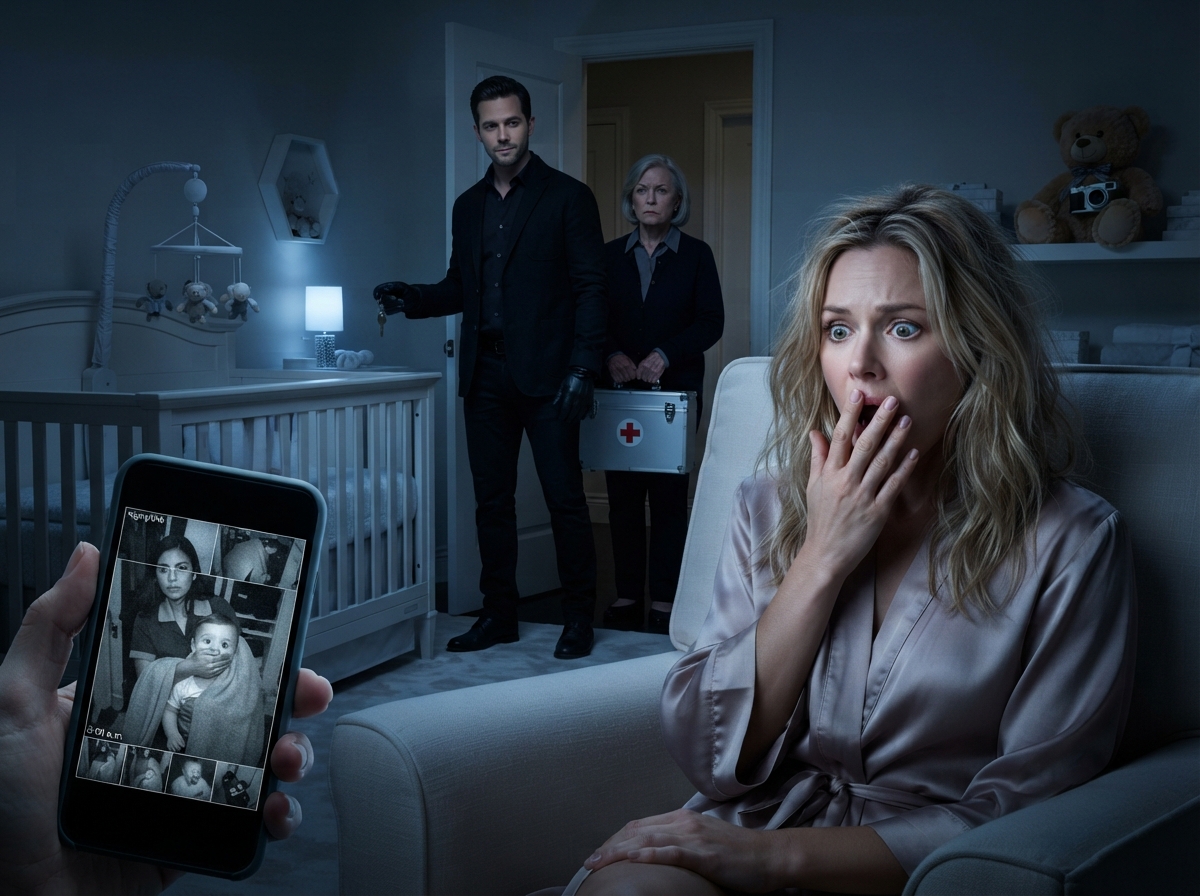
I thought the cameras would expose a careless nanny, but the first recording showed her protecting my baby from people I had trusted without question
Part 11 of 20