
I was already inside Terminal 4 when my phone buzzed. Boarding for Aspen had begun, and I was standing near the windows with a coffee cooling between my hands when I saw my mother’s name. I expected some last-minute instruction about the rental house or a reminder to pick up something Brittany had forgotten. Instead, I opened a message that made me stare at the screen for several seconds.
“Don’t get on the plane. We told Chad’s family you’re in rehab. Your seat is being used by Pierre. You would ruin the look of the trip.”
There was no apology. No explanation. Not even the courtesy of pretending this had been difficult for her. I read the message again, hoping I had somehow misunderstood it.
Then Brittany posted a photograph.
She was sitting in the first-class seat I had purchased months earlier, smiling beside her French bulldog. Pierre was wearing a little cream-colored sweater, his paws resting on the armrest as if he had paid for the upgrade himself. Brittany’s caption talked about “finally having the right people together” and starting the Aspen weekend without “negative energy.”
I looked at the photograph until the boarding announcement faded into the background.
For most of my twenty-nine years, humiliation had been my mother’s most reliable weapon. She knew exactly how to make me feel like an unwanted guest in my own family. Usually, I responded by trying harder. I explained myself. I apologized for things I had not done. I offered money. I fixed whatever problem had made everyone angry.
This time, something inside me simply stopped.
I did not call Constance. I did not demand my seat back. I did not send Brittany an angry message. I closed the photograph and walked toward the exit, carrying the same small suitcase I had packed for the trip.
To them, I was Briona, the daughter who never quite amounted to anything. According to the family story, I was a freelance IT consultant with inconsistent work, a modest apartment, and an aging sedan. My mother often described me as “comfortable enough” in the same tone people used when discussing someone who had narrowly avoided becoming homeless.
The truth was considerably different.
My apartment was a mailing address. The sedan was old because I preferred driving something forgettable when I was dealing with government contracts. And only a few weeks earlier, I had helped negotiate a cybersecurity logistics agreement worth roughly six hundred million dollars.
The work had been complicated, confidential, and exhausting. It had also made me far wealthier than anyone in my family suspected.
My real home stood outside Aspen, built into the mountain behind a private road. Glass walls faced the valley. Steel and stone formed most of the structure. It had cost approximately fifteen million dollars, and I had bought it years earlier because I wanted somewhere quiet where nobody could tell me who I was supposed to be.
My family knew none of that.
I had kept it that way because every time they learned I had something, it became theirs in their minds.
Brittany’s college debt was a perfect example. When she graduated, she owed around eighty thousand dollars. My mother called me crying before Brittany had even finished unpacking.
“She needs a clean beginning,” Constance had said. “You’re the only one who can help her.”
I paid the entire balance the following morning.
Brittany thanked me briefly and then asked whether I could also cover a graduation vacation in Bali. I agreed. At the time, I still believed generosity might eventually produce affection.
It never did.
I bought my mother a replacement car when hers failed. I covered family medical bills. I paid overdue balances. Whenever someone had an emergency, my phone rang. Whenever someone needed money, they somehow remembered that I was “good with finances.”
Even the Aspen rental had been partly my responsibility.
Constance had told me her credit card was malfunctioning when the deposit came due, so I transferred the money without asking questions. I never mentioned that I knew the property belonged to a management company I had invested in.
That was the arrangement I had accepted for years.
They underestimated me, and I quietly paid for their lives.
Then Chad arrived.
Brittany’s fiancé came from a family with political connections. His father was a senator, and suddenly my mother had discovered a new definition of success. The people she once needed me to impress were no longer important. Now she wanted to impress people who could give her access.
I understood, finally, why I had been removed from the Aspen trip.
I was not being punished because I had failed.
I had become inconvenient because someone more prestigious had arrived.
I was walking through the terminal pickup area when another notification appeared.
It was not from my mother.
It was from my bank.
SECURITY ALERT: TRANSACTION DECLINED.
I stopped beneath the awning and opened the details.
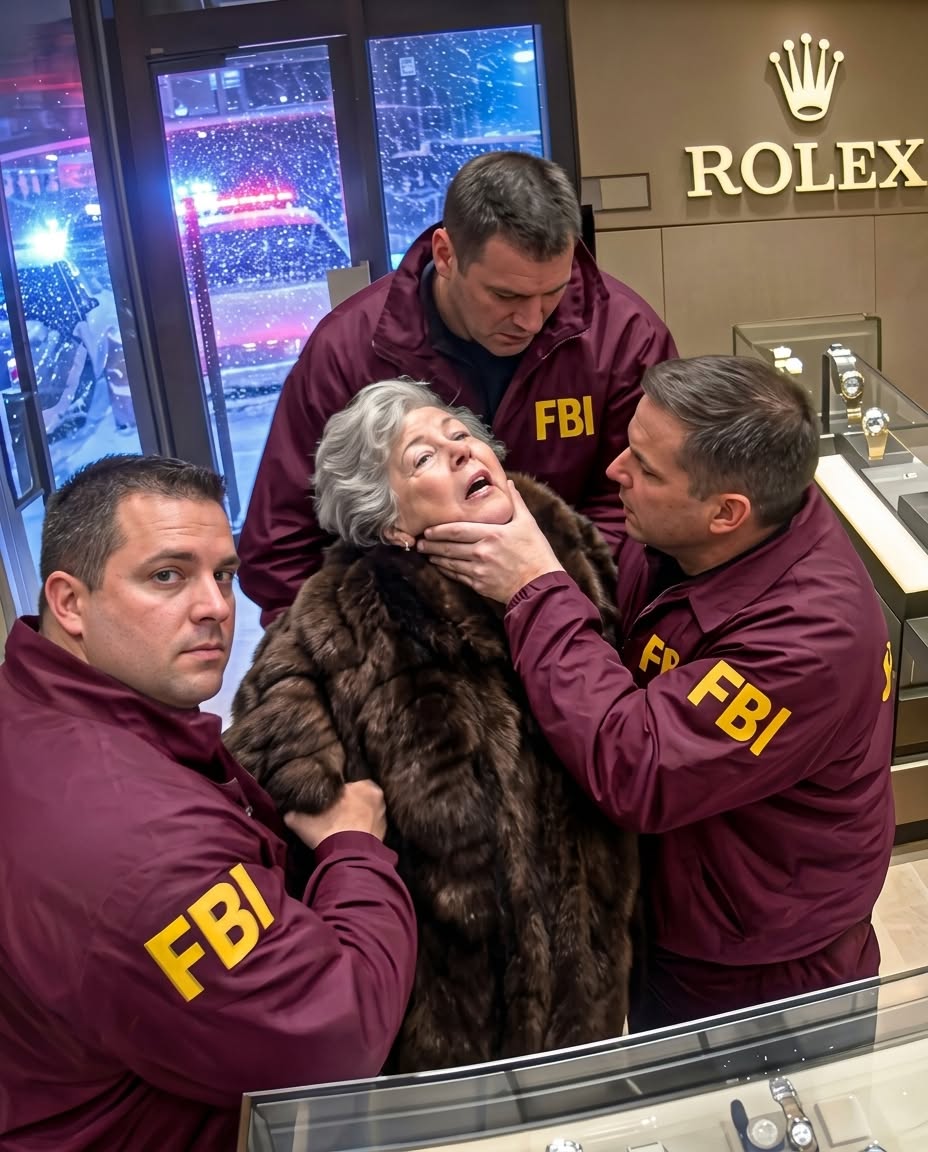
The attempted purchase was for two hundred thousand dollars at a Rolex boutique in Aspen. The account number ended in 8841.
I recognized it immediately.
That was not one of my personal accounts.
It was a government procurement card associated with a defense logistics program. I kept the physical card secured in a fireproof box in my old bedroom at my mother’s house because there were times when the work required me to maintain certain documents and financial instruments away from my primary residence.
Someone had opened the box.
Someone had taken the card.
And someone had just tried to spend two hundred thousand dollars on a watch.
My first thought was that it had to be a mistake.
My second was my mother.
Constance knew how to search for things when she believed there was money involved. She had probably found the card, assumed it was another account I had never told her about, and taken it to Aspen believing she had discovered an unlimited source of spending power.
I could decline the transaction immediately.
That would end the purchase.
It would also keep the matter inside the family.
For years, that had been my instinct: solve the problem quietly before it became public.
But I remembered the message she had sent me.
You would ruin the look of the trip.
I remembered Brittany smiling in the seat I had purchased.
I remembered every bill I had paid while they told everyone I was struggling.
Most importantly, I understood what the attempted purchase actually meant.
That card was not my money.
It was government money.
A personal luxury purchase made with it would create a record that could not simply be erased because the person responsible happened to be my mother.
I looked at the screen again.
The transaction was still pending.
My finger hovered over the authorization control.
I could have stopped her.
Instead, I approved the transaction.
The decision was deliberate.
I wanted the record preserved.
A moment later, the screen changed.
TRANSACTION APPROVED.
I slipped my phone into my coat pocket and looked toward the mountains beyond the airport.
Constance believed she had taken my seat, my place, and perhaps even another piece of my life.
She did not know that the thing she had just taken was going to lead investigators directly to her.
Click Here to continue read next: PART2: I Invited the Relatives My Mother Rejected and Let Her Discover Who Had Actually Been Paying for Everything
The Seat They Gave Away Revealed a Family Secret I Had Spent Years Protecting From Everyone
Part 1 of 8

