
I watched Miles disappear across the grass, his small shoes leaving shallow marks in the damp ground.
The butterfly was already gone.
He did not seem to care.
He had found a stick instead.
That was one of the things I loved most about children. They could lose one thing and immediately discover another reason to keep moving.
I stood and followed him.
He held the stick above his head.
“Look, Mommy!”
“I see it.”
“It’s a sword.”
I crouched beside him.
“Then you should probably use it for something good.”
He considered this.
“I’ll fight monsters.”
I laughed.
“Only the pretend kind.”
He nodded solemnly.
“Okay.”
That afternoon stayed with me for years.
Not because anything dramatic happened.
Because nothing did.
No shouting.
No threats.
No courtroom.
No police.
Just a mother and her son in a park.
That ordinary afternoon was the life Daniel had tried to convince me I could never have without him.
He had believed I needed him.
He had wanted me to believe it too.
But I had built a home without him.
I had raised a child without him.
I had rebuilt a career without him.
And I had learned how to sleep without listening for his footsteps.
The healing was not perfect.
I still had difficult days.
But difficult no longer meant defeated.
When Miles was asleep, I sometimes opened the old files from the cloud account.
I rarely read them.
I kept them because they reminded me that memory could be manipulated, but evidence could preserve truth.
I had once doubted myself so completely that I needed a recording to believe my own experience.
Now I trusted myself.
That may have been the greatest change of all.
One evening, Ethan asked me whether I had heard from the publisher.
I shook my head.
“Not yet.”
“Don't worry about it.”
“I’m not.”
He smiled.
“You are.”
“Maybe a little.”
The publisher had contacted me after reading several of my articles. They wanted to discuss turning my writing into a book.
The idea frightened me.
A book would mean telling the story to people who did not know me.
It would mean strangers judging every decision.
It would mean reopening memories I had worked hard to place in the past.
But it could also mean that another woman might recognize the signs before they became unbearable.
So I agreed to the meeting.
The publisher asked me what I wanted the book to accomplish.
I answered without hesitation.
“I want women to understand that they don't have to wait until they're almost dead before they believe something is wrong.”
She wrote that down.
Then she asked, “Do you want to call yourself a survivor?”
I thought about it.
“Yes.”
“Why?”
“Because surviving isn't only about what happened to you.”
I paused.
“It is also about what you choose to build afterward.”
That became the heart of the book.
I did not write Daniel as a monster from the beginning.
That would have been dishonest.
People like Daniel rarely introduce themselves as cruel.
They can be charming.
They can be successful.
They can be generous in public.
They can know exactly what to say when someone is watching.
The danger can exist behind the front door.
That was one of the most difficult truths I had learned.
The yellow house on Elm Street had looked ordinary.
That was what made it frightening.
Neighbors saw a successful architect, a graphic designer, and a family preparing for a baby.
Nobody saw me standing in the bathroom with tears on my face because I had been criticized for buying the wrong groceries.
Nobody saw Daniel checking my bank account.
Nobody heard him telling me that my friends were bad influences.
Nobody knew how often I rehearsed sentences before speaking because I wanted to avoid making him angry.
I began to understand why telling the truth mattered.
Not because my story was unique.
Because it wasn't.
Years passed.
Miles grew taller.
He lost his baby teeth.
He started school.
He learned to read.
He became obsessed with dinosaurs, then planets, then soccer.
His interests changed constantly.
My life changed with him.
The legal part of my past gradually became less immediate.
Daniel remained incarcerated.
Agnes and Victor disappeared from our daily lives.
Lauren continued working on herself.
Sometimes she came for dinner.
Sometimes she helped Miles with homework.
She never asked me to forget what had happened.
That mattered.
One night, while we were washing dishes, Lauren said, “Do you ever wonder what would have happened if you hadn't sent that message?”
I stopped.
“Yes.”
She dried a plate.
“I do too.”
“I might not be here.”
She looked at me.
“I know.”
Neither of us needed to say more.
The message had been simple.
Help. Please.
But there had been another decision hidden inside those words.
I had finally admitted that I could not solve the problem alone.
For years, I had believed asking for help meant surrendering control.
In reality, it was the first control I had taken back.
I wrote that sentence down later.
It became one of the most shared passages from my book.
Women wrote to tell me they had finally called someone.
One woman said she had packed a bag.
Another said she had told her sister.
Another said she had taken her children to a shelter.
I never imagined my private pain could become useful to someone else.
But that was what happened.
The story I once wanted to hide became something that helped people recognize their own reality.
I did not feel heroic.
I felt human.
There were still mornings when five o'clock came too early.
Sometimes Miles woke because he had a bad dream.
Sometimes he needed water.
Sometimes he climbed into my bed and curled against my side.
On those mornings, I would look at the clock.
5:00.
The number used to mean danger.
Now it meant something different.
A sleepy child.
A quiet room.
A choice about whether to return to sleep or watch the sky lighten.
One morning, Miles asked me why I was smiling.
“Nothing.”
“You're smiling.”
“I like mornings now.”
He looked confused.
“Why?”
I brushed his hair away from his forehead.
“Because they belong to us.”
He seemed satisfied with that answer.
Then he rolled over and went back to sleep.
I stayed awake.
Outside the window, the first pale line of sunrise appeared.
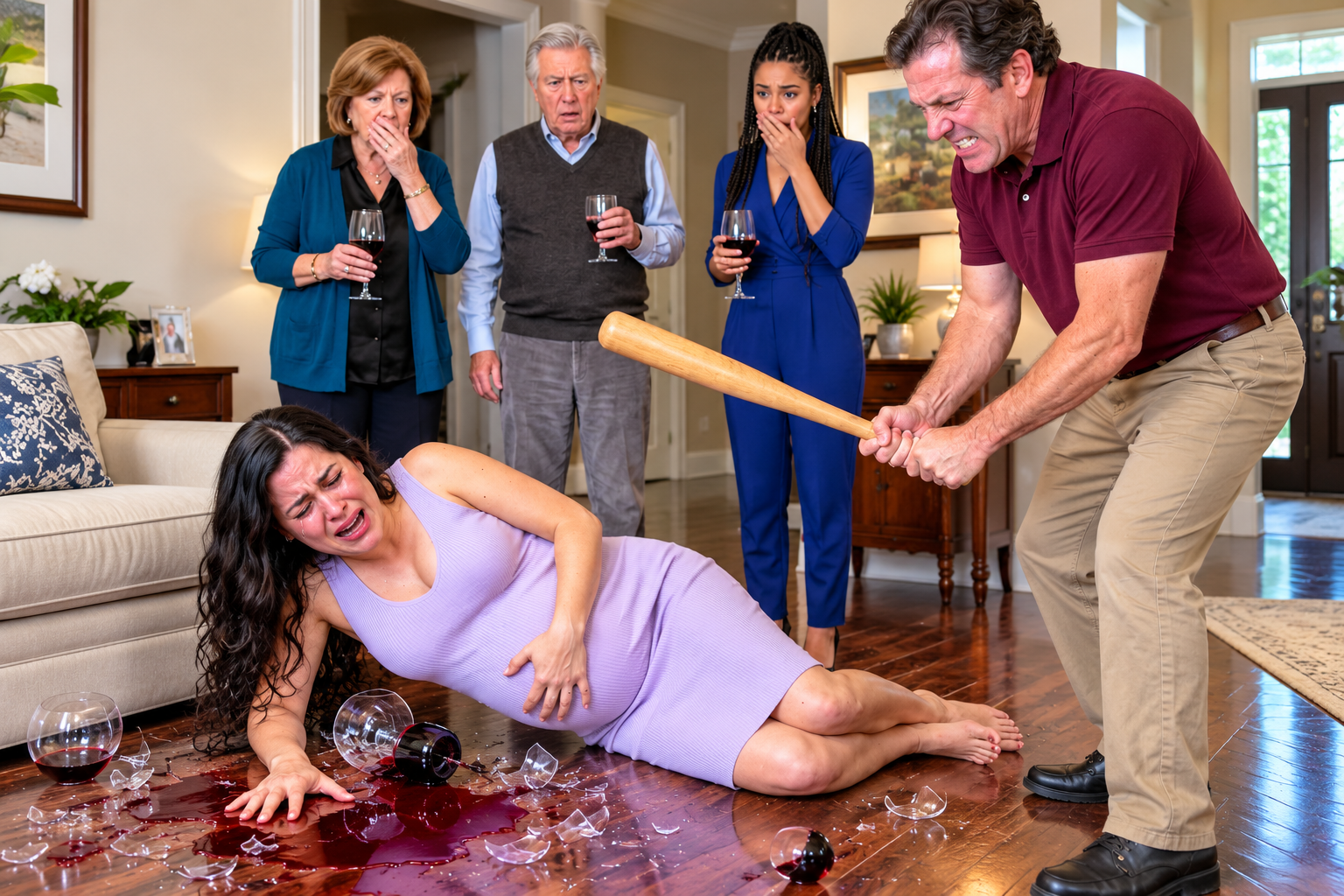
I thought about the woman I had been on the kitchen floor.
She had not known whether she would live.
She had not known whether anyone would believe her.
She had not known whether her baby would be safe.
But she had reached for the phone.
She had sent the message.
She had asked for help.
That woman had not known what would happen next.
Neither had I.
But she had taken the first step.
And every part of my life afterward had grown from that one decision.
Click Here to continue read next: PART8: Years Later, One Ordinary Morning Showed Me What Freedom Really Meant and Why Daniel Could Never Take It Away Again
Before Sunrise, I Realized the House I Called Home Had Become a Place Where My Safety Meant Nothing
Part 7 of 8

